
Finding addiction treatment that provides meaningful structure without requiring a residential stay can make it easier for people to remain connected to work, family, school, and other responsibilities. For those researching alcohol treatment programs Boston Massachusetts, intensive outpatient programs and similarly structured services can offer frequent therapy, clinical oversight, recovery education, and ongoing support while participants continue living in the community. The Boston area includes private treatment centers, nonprofit organizations, community health providers, and major hospital systems, so programs can differ considerably in schedule, clinical emphasis, medications, mental health services, and eligibility. Not every organization uses the term IOP in exactly the same way, with some Massachusetts providers offering Structured Outpatient Addiction Programs, partial hospitalization, or other higher-frequency outpatient services. Here are eight providers worth understanding when comparing available options. New Wave Recovery Center in Salisbury offers a particularly direct option for people specifically seeking structured outpatient addiction treatment north of Boston. Its continuum includes Partial Hospitalization, or day treatment, an Intensive Outpatient Program, and relapse prevention services. The center describes its IOP as several hours of programming per day on multiple days each week, with both daytime and evening scheduling available. The IOP combines group programming with individual therapy and incorporates holistic services alongside clinical care. According to New Wave, participants continue working with an individual clinician while attending structured groups, and weekly gender-specific groups are also available. The program is designed to provide more support than conventional weekly outpatient counseling without requiring clients to live at a treatment facility. One of New Wave's notable characteristics is how deliberately its IOP is organized around day-to-day responsibilities. Day and evening options can make treatment more practical for adults balancing employment, parenting, or other obligations. Its Salisbury facility is located near Interstate 95 and Route 1 on Massachusetts' North Shore, roughly 50 minutes north of Boston according to the center. New Wave also provides the ability to move among different intensities of outpatient care as clinically appropriate. Its day treatment program offers greater structure, while relapse prevention provides a lower-intensity level of continued support. The center reports that it is in-network with WellSense and approved through MassHealth for the WellSense plan, while other insurance arrangements should be confirmed directly before enrollment. For people whose primary goal is finding a dedicated IOP within a clearly defined outpatient continuum, this combination of structure, scheduling flexibility, and continued step-down care makes New Wave an especially relevant place to begin comparing programs. The Gavin Foundation has been providing substance use disorder education, prevention, and treatment in Massachusetts since 1963. Its Center for Recovery Services offers outpatient treatment through licensed clinicians, including individual and group therapy, substance use disorder counseling, assessments, case management, relapse prevention, and a Structured Outpatient Addiction Program/Intensive Outpatient Program. This combination can be useful for people who want an intensive level of outpatient treatment while remaining connected to other community-based resources. Medication-related care is also available through the Center for Recovery Services, where an on-site psychiatric nurse practitioner can evaluate clients and discuss medication options when clinically appropriate. Gavin operates a wider continuum beyond its outpatient programming. Its services include residential rehabilitation and other recovery supports, while its continuum identifies ambulatory services and peer recovery supports at several levels of care. This broader structure may be helpful for people who need coordination between different types of treatment rather than an isolated course of outpatient therapy. The Center for Recovery Services is accredited by CARF and licensed by the Massachusetts Department of Public Health's substance addiction services authority, according to Gavin Foundation. Because services span counseling, case management, group treatment, and structured outpatient programming, Gavin offers a community-oriented model for people who value access to several types of recovery support within one organization. The Dimock Center in Roxbury provides outpatient addiction treatment through its Outpatient Addiction and Recovery Services program, commonly called OARS. Adults 18 and older can receive individual therapy or participate in the Structured Outpatient Addiction Program, a group-based service designed around recovery skills, routine, connection, and continued stability. SOAP programming covers areas such as relapse prevention, trauma, mental health, wellness, and community support. Individual sessions are also available for people who need one-on-one clinical work involving addiction, trauma, or co-occurring mental health concerns. Dimock states that treatment is organized around each patient's needs, goals, and experience rather than requiring an identical pathway for every participant. Dimock's outpatient services also include Office-Based Addiction Treatment. OBAT integrates addiction care with medical services and can include medications for addiction treatment, substance use disorder evaluations, ongoing medical follow-up, care management, harm reduction education, and behavioral health referrals. This can be particularly relevant when a person needs clinical addiction care alongside ongoing medical management. Individuals do not have to receive primary care at Dimock to participate in OARS, and the center allows self-referral. Its outpatient program is located at 45 Dimock Street in Roxbury, making it one of the options on this list situated directly within Boston. The combination of structured group treatment, individual therapy, and integrated addiction medicine gives Dimock a broad community-health approach to outpatient care. Spectrum Health Systems operates outpatient treatment centers in a number of Massachusetts communities. Its outpatient services include individual, group, and family counseling for adults with substance use disorders, mental health conditions, or both. Each patient begins with a comprehensive intake evaluation that informs an individualized treatment plan. Spectrum also offers an intensive outpatient program at select locations. The organization describes this level of treatment as more concentrated than its regular outpatient services, incorporating group treatment, brief individual sessions, family programming, and additional individual clinical work. The intensive program has a minimum duration of three weeks, although actual treatment needs may vary by person. Some of the outpatient components Spectrum identifies include: Spectrum has outpatient locations in communities including Framingham, Haverhill, Saugus, Waltham, Weymouth, Worcester, and several other parts of Massachusetts. Because IOP is offered only at selected sites, prospective patients should confirm that their preferred location provides the specific level of care they need before completing intake. Its geographically broad outpatient network can nevertheless be useful for people looking beyond central Boston for structured addiction services. Brigham and Women’s Hospital provides addiction services through several hospital-based programs, while its affiliated Brigham and Women’s Faulkner Hospital operates an Addiction Recovery Program with structured outpatient options. One particularly relevant service is Faulkner's Evening Treatment Program, which the hospital describes as operating similarly to an intensive outpatient program. The Evening Treatment Program is designed for working adults who need concentrated addiction treatment while maintaining daytime responsibilities. According to Brigham and Women's program materials, it runs three evenings per week for two weeks and incorporates clinical assessment, group education, coping-skill development, continuing-care planning, and introductions to community support resources. Groups are kept relatively small. Within the larger Brigham system, patients can also access the Dushku-Palandjian Bridge Clinic at 75 Francis Street in Boston. The clinic offers rapid-access, low-barrier care for substance use disorders and provides medications for addiction treatment, individual or group peer support, recovery coaching, social work assistance, and connections to longer-term treatment. Walk-ins are accepted during designated weekday hours. Brigham's model therefore extends beyond a single IOP-style service. The health system can connect addiction treatment with psychiatry, primary care, hospital medicine, and other specialty services when needed. For people who prefer care connected to a major medical system, particularly those with additional medical or psychiatric considerations, its combination of bridge services and Faulkner's structured evening programming warrants consideration. High Point Treatment Center has provided substance use disorder and mental health services primarily across Southeastern Massachusetts since 1996. Its continuum includes inpatient, residential, outpatient, and community-based programs, allowing patients to access different types of care according to clinical need. Among its outpatient services is a Structured Outpatient Addiction Program, or SOAP, which High Point describes as intensive outpatient support for individuals in early recovery. Its broader substance use services can include individual and group counseling, medication-assisted treatment, case management, recovery coaching, and treatment for co-occurring disorders. At its Plymouth outpatient location, available services include SOAP, relapse-prevention groups, substance use and mental health care, medication management, and medications for opioid use disorder. High Point also states that certain services at this location can be delivered in person or by telehealth, depending on the service and the patient's circumstances. High Point operates outpatient services in Brockton, New Bedford, and Plymouth, so it is most geographically convenient for people south or southeast of Boston rather than those seeking a downtown program. Its larger continuum may be especially relevant when someone needs a provider capable of coordinating outpatient treatment with other levels of behavioral health or substance use care. Refresh Recovery Centers provides outpatient addiction care in Massachusetts through partial hospitalization, intensive outpatient, regular outpatient, and virtual programming. Refresh refers to its IOP as a Half Day Treatment program, explaining that the terminology corresponds to what insurers commonly categorize as intensive outpatient care. The half-day model is designed for people who require structured treatment but also need time for work, school, family responsibilities, or other parts of everyday life. Refresh lists both men's and women's IOP options as well as virtual IOP services, although eligibility, scheduling, and insurance coverage should be verified directly with the program. Therapeutic approaches described by Refresh include cognitive behavioral therapy, dialectical behavior therapy, group and individual work, and services addressing co-occurring mental health concerns. The center also emphasizes trauma-informed treatment and individualized planning. Refresh does not provide on-site detoxification, instead coordinating placement when a person needs detox before beginning its outpatient services. Independent accreditation information from The Joint Commission lists Refresh Recovery LLC and an affiliated Amesbury site within its behavioral health care accreditation program. The Joint Commission directory specifically identifies intensive outpatient services, outpatient therapy, and high-intensity outpatient care among the substance use disorder levels of care associated with that Amesbury location. Boston Medical Center takes a hospital-based, multidisciplinary approach to addiction care. Its addiction treatment system includes urgent access services, outpatient treatment, medication-based care, addiction psychiatry, recovery navigation, and inpatient consultation. Although its public program pages do not present a conventional service specifically branded as an IOP, its range of structured outpatient services makes BMC relevant when comparing higher-support care in Boston. Its Addiction Psychiatry Treatment Program is an outpatient clinic for adults living with both a substance use disorder and a mental health condition. Services can include assessment, medication management, individual psychotherapy, and group psychotherapy, allowing both conditions to be addressed within the same clinical setting. BMC also operates Office-Based Addiction Treatment, which integrates substance use disorder treatment with medical care. Available services include medications for opioid use disorder, integrated behavioral health and psychiatry, harm reduction resources, direct clinical-team access, and assistance with practical needs such as insurance, transportation, employment, and identification documents. For people who are uncertain which service is appropriate, BMC's Rapid ACCESS program helps patients connect with suitable addiction-related treatment using recovery coaches and recovery support navigators. This makes Boston Medical Center somewhat different from a dedicated stand-alone IOP center: its main strength is the breadth of a large medical system that can help patients navigate among addiction medicine, psychiatric care, medical treatment, and community support according to their needs. The most suitable program depends on more than location alone. Treatment intensity, substance use history, withdrawal risk, co-occurring mental health conditions, medication needs, scheduling, insurance, transportation, and previous treatment experience can all influence the appropriate level of care. New Wave Recovery Center, Refresh Recovery Centers, Gavin Foundation, Spectrum Health Systems, High Point Treatment Center, The Dimock Center, Brigham and Women’s system, and Boston Medical Center each approach outpatient addiction treatment somewhat differently. Before enrolling, prospective patients should confirm current program schedules, eligibility requirements, insurance participation, and whether an IOP, SOAP, day program, standard outpatient service, or another level of care is clinically appropriate for their situation.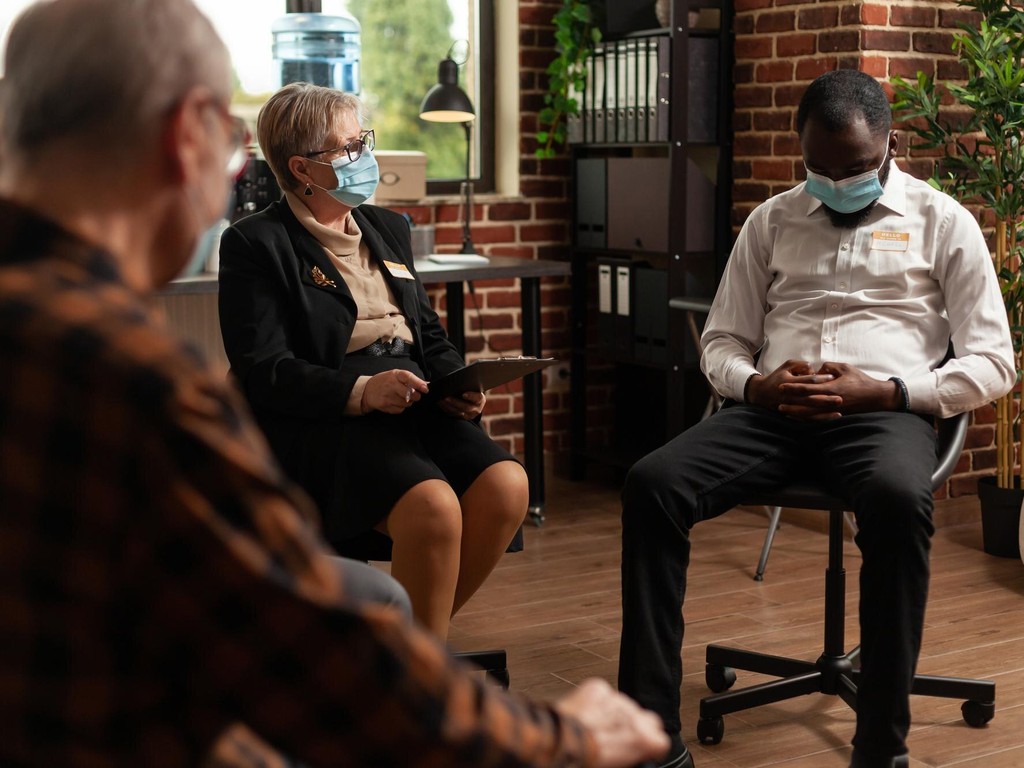
8 Top Addiction Treatment Centers Near Boston, Massachusetts, Offering Intensive Outpatient Care
1. New Wave Recovery Center
A Focused Intensive Outpatient Program
Clinical Care With Practical Flexibility
A Broader Outpatient Continuum
2. Gavin Foundation
Structured Outpatient Care in a Community-Based System
3. The Dimock Center
Structured Outpatient Addiction Services in Roxbury
4. Spectrum Health Systems
Intensive Outpatient Treatment Across Massachusetts
5. Brigham and Women’s Hospital and Faulkner Hospital
Hospital-Based Addiction Treatment With Evening Programming
6. High Point Treatment Center
SOAP and Outpatient Services in Southeastern Massachusetts
7. Refresh Recovery Centers
Flexible Half-Day and Outpatient Treatment
8. Boston Medical Center
An Extensive Outpatient Addiction Care Network
Finding the Right Level of Outpatient Support



seta